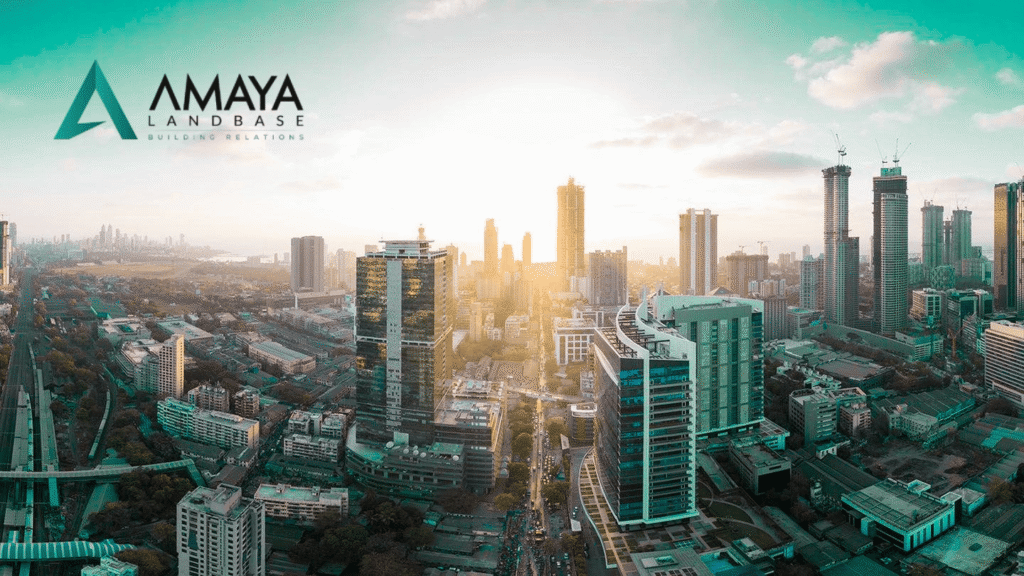
The real estate sector in India is undergoing growth in new areas. The larger corporate groups in the country are not only focusing on new developments on the outskirts. They are now interested in developing the old areas of the cities. This is improving the outer areas of the cities, and improving the supporting infrastructure, and putting all the neglected areas of the cities to use.
Regenerating the urban areas is one of the most positive factors in the Indian real estate sector. It is not only about the construction of new buildings.
What Is Urban Regeneration?
Urban regeneration refers to the redevelopment of older residential colonies, commercial districts, industrial areas, and underutilized land into modern, well-planned developments.
Instead of expanding cities outward, developers are now looking inward to maximize the potential of existing urban locations.
Urban regeneration generally includes:
- Redevelopment of old housing societies
- Slum rehabilitation projects
- Mixed-use developments
- Modern commercial hubs
- Smart infrastructure
- Green public spaces
- Better transportation connectivity
This approach helps cities become more sustainable while making better use of limited land resources.
Why Are Corporate Giants Investing in Redevelopment?
Several factors are driving this shift:
Limited Availability of Land:
Prime land parcels in cities like Mumbai, Delhi, Bengaluru, and Hyderabad are quickly becoming scarce and expensive. Redeveloping existing properties enables developers to access these precious premium properties without the need to acquire large portions of land.
Growing Urban Population:
India’s urban population continues to expand rapidly. Existing infrastructure must evolve to accommodate increasing demand for housing, office space, retail, and public amenities.
Government Support:
Various redevelopment policies, infrastructure investments, and urban renewal initiatives are encouraging developers to participate in large-scale regeneration projects.
Higher Long-Term Returns:
Redevelopment projects often create higher property values because they transform ageing neighbourhoods into premium residential and commercial destinations.
Delhi NCR Emerges as North India’s Urban Regeneration Hub.
Delhi NCR is becoming one of the most important areas in India for modern urban transformation and building new kinds of real estate. Unlike traditional growth patterns, development in the region is focusing on integrated townships and mixed-use and corridor redevelopment, led by infrastructure investment.
Major real estate developers are heavily investing in premium residential, commercial, and retail smart urban communities and business districts in Gurugram, Noida, Greater Noida, Dwarka Expressway, Southern Peripheral Road, Golf Course Extension Road, as well as in the emerging Ghaziabad and Faridabad urban corridors. These projects are changing Delhi NCR’s skyline and are world-class residential and commercial spaces.
The large scale upcoming infrastructural developments including the Dwarka Expressway, growing metro connectivity, rapidly improving road connectivity, the Delhi-Mumbai Industrial Corridor (DMIC) and the Global City project, will facilitate Delhi NCR’s aim of being a global business and investment location. Real estate values continue to grow bolstered by the strong demand for residential real estate from home buyers, investors, and multi-national companies, signifying that Delhi NCR is one of the most desired business and real estate investment locations in India.As a result, Delhi NCR is growing rapidly. Moreover, infrastructure is improving. Therefore, more investors are showing interest in the region.https://www.linkedin.com/feed/update/urn:li:activity:7476628756007178240
Benefits for Homebuyers
Urban regeneration offers several advantages for buyers:
- Modern homes in established neighbourhoods
- Improved civic infrastructure
- Better roads and public transport
- Enhanced safety and amenities
- Higher appreciation potential
- Stronger rental demand
Buyers can enjoy the convenience of central locations combined with modern construction and lifestyle features.
Opportunities for Investors
Redevelopment projects create multiple investment opportunities:
- Early-stage capital appreciation
- Premium commercial developments
- Higher rental yields
- Long-term wealth creation
- Demand from businesses and professionals
- Improved resale value
Investors who enter redevelopment corridors early often benefit from significant value appreciation as projects progress.https://amayalandbase.com/commercial-vs-residential-property-which-gives-better-returns/
Can Other Cities Follow Delhi NCR?
There are possibilities of a similar model being established in Mumbai, Bengaluru, Hyderabad, Pune, Chennai, and Ahmedabad due to their aging infrastructure and land scarcity, along with Delhi NCR’s redevelopment model.
Metropolitan improvement and reformation of urban planning and structures will spearhead development in most metropolitan areas in India.
The Future of Indian Real Estate
Today, urban regeneration is not simply a construction trend. Instead, it has become a strategy for developing smarter and more sustainable cities.
Moreover, strong corporate investments, government support, and growing demand for quality urban living are making redevelopment projects an important part of India’s next phase of real estate growth..
The transformation creates an opportunity to be a part of the future Indian urban landscape for all – investors, developers and homebuyers.
Frequently Asked Questions (FAQs)
1. What is urban regeneration in real estate?
Urban regeneration is the process of redeveloping ageing residential, commercial, and industrial areas into modern, sustainable, and well-planned communities. It focuses on improving infrastructure, public spaces, housing, and overall quality of life while making better use of existing urban land.
2. Why is urban regeneration important in Delhi NCR?
Delhi NCR is experiencing rapid urbanization, increasing population, and limited availability of prime land. Urban regeneration helps revitalize older neighborhoods, improve connectivity, enhance infrastructure, and create new investment opportunities without expanding city boundaries.
3. Which areas in Delhi NCR are witnessing major urban transformation?
Some of the fastest-growing areas include Dwarka Expressway, Golf Course Extension Road, Southern Peripheral Road (SPR), New Gurgaon, Noida, Greater Noida, Faridabad, Ghaziabad, and emerging mixed-use developments across the NCR region.
4. How does urban regeneration benefit property investors?
Urban regeneration can increase property values, improve rental demand, enhance infrastructure, and create long-term capital appreciation. Investing in redevelopment corridors often provides better growth potential compared to saturated markets.
5. What role do corporate developers play in urban regeneration?
Leading real estate developers invest in large-scale redevelopment projects, integrated townships, commercial hubs, and mixed-use developments. Their investments improve urban infrastructure, attract businesses, and contribute to sustainable city growth.
6. How does infrastructure development impact property prices?
Infrastructure projects such as metro expansions, expressways, airports, and smart city initiatives improve accessibility and attract businesses and residents. This increased demand often leads to higher property values and better investment returns.
7. Is Delhi NCR a good destination for real estate investment?
Yes. Delhi NCR remains one of India’s most attractive real estate markets due to strong infrastructure development, expanding business districts, increasing housing demand, and continuous government investment in connectivity projects.
8. What is the difference between urban regeneration and greenfield development?
Urban regeneration focuses on redeveloping existing urban areas and improving old infrastructure, while greenfield development involves constructing entirely new projects on previously undeveloped land.
9. Which sectors benefit the most from urban regeneration?
Residential housing, commercial offices, retail spaces, hospitality, mixed-use developments, and logistics parks all benefit from improved infrastructure and increased economic activity created through urban regeneration.
10. What is the future of urban regeneration in India?
Urban regeneration is expected to play a major role in India’s real estate growth over the next decade. As cities become denser and land availability decreases, redevelopment and infrastructure-led growth will continue to shape modern, sustainable urban environments across major metropolitan regions.
Conclusion
Many of India’s biggest conglomerates are re-evaluating realty by investing in the rejuvenation of cities instead of just their growth. Redevelopment will lead to more liveable and future communities as infrastructure will improve, property values rise and urban regeneration will take place.
From home buyers and investors to market analysis and forecasting, urban regeneration is a terrain to be watched over the next decade.

great